
Secondary machining support for critical interfaces, post-weld accuracy, and tight-fit features—available in-house or via qualified partners
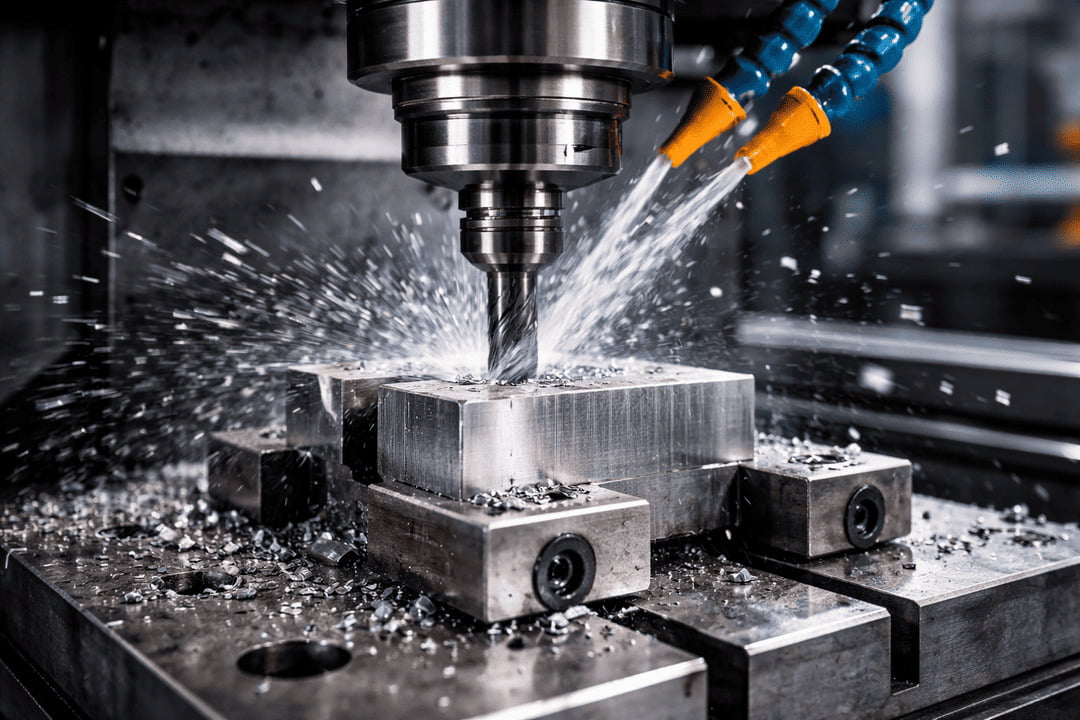
Capability Highlights
Machining integrated into fabrication route to improve fit
Post-weld machining options to ensure alignment and function
Critical features controlled per drawing
Process route optimized to reduce cost and unnecessary machining
Inspection aligned with functional requirements
Standard vs Extended Capability
Standard: common secondary operations arranged to meet functional needs.
Extended: tighter tolerance work or larger/complex machining can be supported on request, strictly per drawing.
Design Notes & DFM Tips
Identify “machining-critical” features and functional datums
Avoid specifying very tight tolerances on non-functional surfaces
Provide tolerance stack-up context for mating assemblies
Define surface finish requirements only where needed
Share assembly intent to choose the most cost-effective route
Quality & Inspection
Inspection per drawing requirements
Reports available upon request (FAI/COC, etc.)
RFQ Checklist
STEP + PDF with critical features highlighted
Tolerance requirements and datums
Quantity and revision stage (prototype/production)
Material and thickness
Any post-weld alignment requirements
FAQ
Q: Do I always need machining?
A: Often no—DFM can reduce or eliminate machining steps.
Q: Is machining done in-house?
A: Depending on requirement; we can also coordinate via partners.
Q: Can you machine after welding?
A: Yes—post-weld machining is commonly used for alignment.
Q: Can you provide inspection reports?
A: Available upon request.