
Protective and cosmetic finishes for sheet metal parts and assemblies—coordinated to meet durability, appearance, and compliance needs
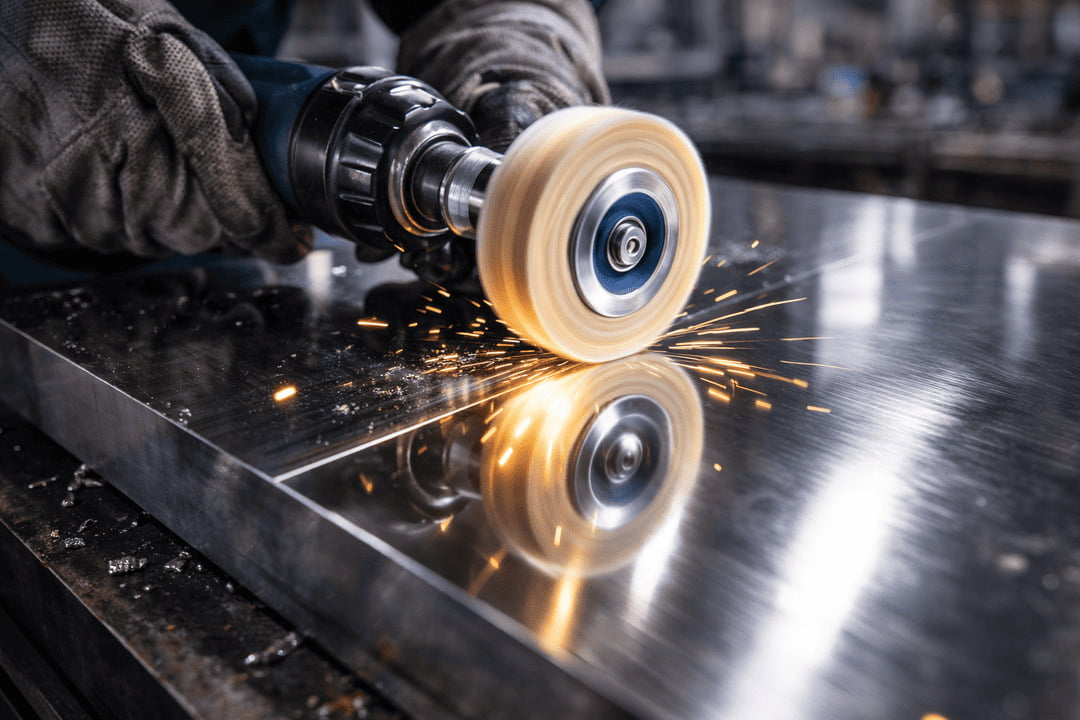
Capability Highlights
Finish selection guidance based on environment and function
Masking and “no-coat areas” supported per drawing
Cosmetic surface control (grain direction, visible face)
Finishing sequence planning for assemblies (before/after assembly)
Multiple finish options coordinated under one workflow
Standard vs Extended Capability
Standard: common finishes such as powder coating, brushing, and standard protective treatments.
Extended: special plating/anodizing specs, larger part sizes, or unique cosmetic requirements are supported on request and may be coordinated via qualified partners, per drawing.
Design Notes & DFM Tips
Specify cosmetic face and appearance standard
For anodizing/brushing: define grain direction if critical
Provide masking requirements and electrical grounding points
Define color/spec codes (RAL/Pantone) where applicable
Clarify environment: indoor/outdoor, chemical exposure, abrasion needs
Quality & Inspection
Inspection per drawing requirements
Reports available upon request (FAI/COC, etc.)
RFQ Checklist
Finish type + spec (if any)
Color/code (if applicable)
Cosmetic requirements / visible face
Masking/no-coat areas
Material and thickness
Quantity and usage environment
FAQ
Q: Can you match a specific color?
A: Yes—provide color code/spec.
Q: Can you combine finishes?
A: Often yes—depends on material and process sequence.
Q: Is anodizing only for aluminum?
A: Typically yes—confirm material and requirement.
Q: Can you support mirror polish?
A: Yes—on request, per appearance expectations.